Step into your future at FORGE
A gap year shaped by faith, study, and community.
Certificate in Christian Discipleship offered through Ambrose University in partnership with Camp Nakamun
" Camp Nakamun has given me an incredible faith-based community where I was able to grow and learn about God while being immersed in creation. " Arwynn MacPherson
" Camp Nakamun has changed every aspect of my life. It brought me the community that I did not know I needed. I will forever be thankful for all the people in my life that came out of serving at camp. " Tanner Andringa
" Camp Nakamun has served as a launch pad for my life. Through working here, I was able to gain the confidence I needed to fully step out into the adult world." Alyssa Crook
" Camp Nakamun helped me learn how to take knowledge from Scripture and implement it in practical ways. I felt supported while working in a fast-paced ministry environment. " Paul Blaine
" Camp Nakamun is special because it is a place where you can be yourself. You are placed in a community of like-minded people who encourage you to seek God and grow in faith. " Marissa Szalacsi
" Camp Nakamun gave me space to slow down, hear God more clearly, and grow in my faith in a way I could not at home. " Zephaniah Gibson
" Camp Nakamun provided a community that truly wanted to see my faith grow. I felt discipled and mentored by many people at camp, and I had the opportunity to do the same for others. " Kiana Hooimeyer
Please tell me more about FORGE
Applications open October 1 | Admission to the Certificate in Christian Discipleship is required | Additional FORGE requirements include a personal testimony, a valid CRC/VSC, and an interview with the program director | Students in the Camp Nakamun residence experience will serve in a setting that includes minors
Frequently asked questions
FORGE brings together the Certificate in Christian Discipleship through Ambrose with an immersive residential experience at Camp Nakamun. Students can expect academic study, outdoor and adventure experiences, ministry partnership, practical service, and formal and informal mentorship with camp leaders.
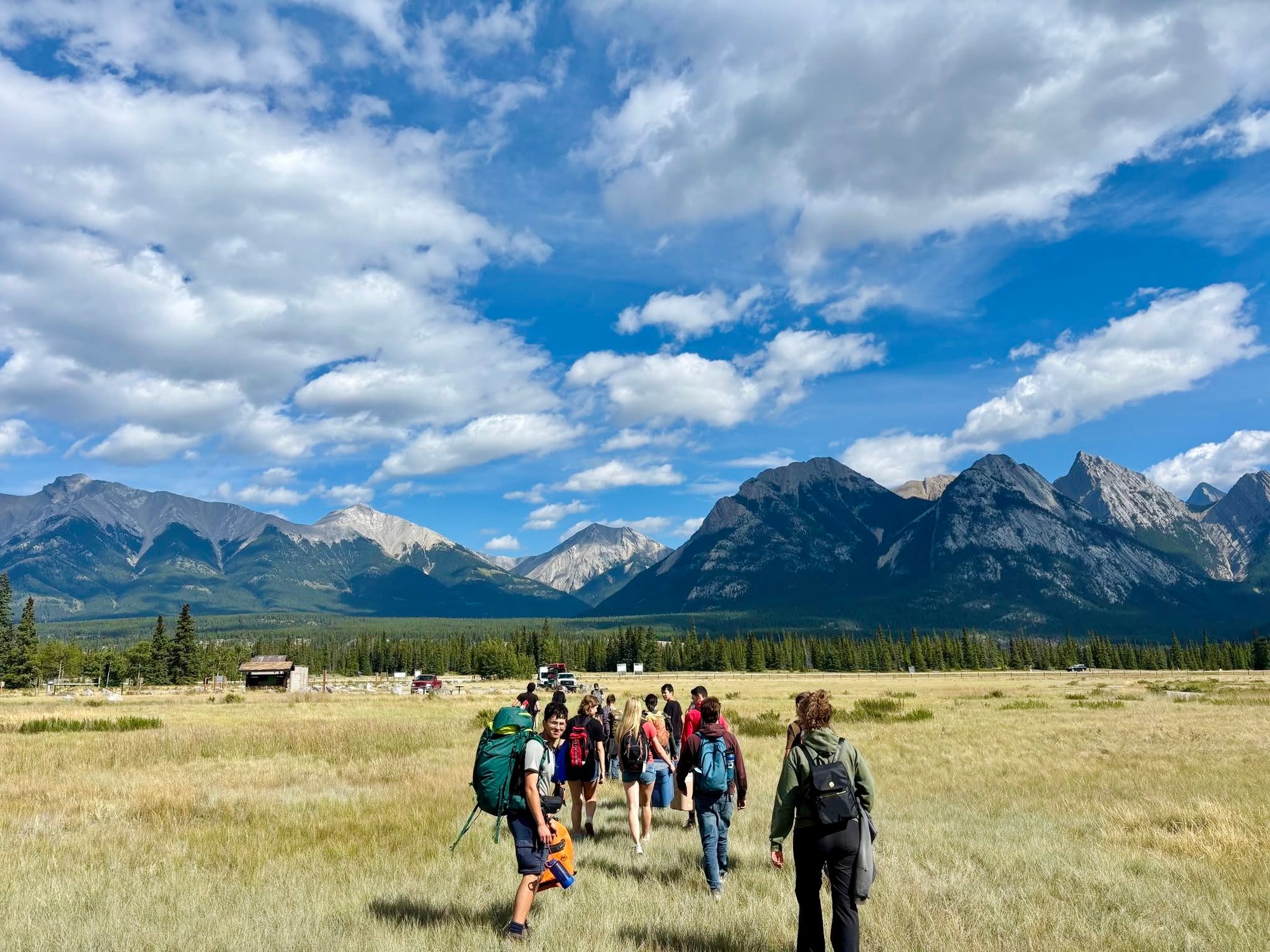
Outdoor and adventure experiences average approximately two to three days per month across the full program and may include off-site or multi-night camping trips, day trips for hiking or rafting, and participation in on-site Nakamun activities such as high ropes or paintball.
Students also take part in the planning and execution of events in Camp Nakamun’s year-round ministry calendar, collaborative events with area churches, and approximately eight service hours per week supporting daily camp ministry through kitchen, hospitality, or maintenance work.
FORGE is designed as a full-time, immersive educational and ministry experience. Students should be prepared to invest fully in every part of the program rather than opting out of selected elements.
This is a leadership and discipleship program for students who want to grow in faith and explore what it means to live in Christian Community while serving in an active ministry setting. Participation would be very challenging for a student who does not actively wish to deepen their relationship with Jesus Christ.
FORGE is a pilot program. Ambrose University and Camp Nakamun have built it with care and shared conviction, but because it is new, some parts of the experience may evolve slightly over the year. Students will have the opportunity to shape the program through their feedback.
Room and board are included. Students live on site at Camp Nakamun in the Heritage Suites, with four to six students of the same gender in each suite. Suites include a bedroom, bathroom, and common area. Bedrooms have twin beds, with some bunk beds, and a chest of drawers for each student. Bathrooms are full bathrooms, and the common area includes a kitchenette with a sink, mini-fridge, microwave, portable hot plate, couch, and kitchen table.
Students are expected to live on site full-time to experience ministry-focused Community. Leaving site to visit friends or family or to shop is permitted, and even encouraged, provided it does not interfere with the program schedule or Community standards. Students may also be allowed or encouraged to return home during major holidays and semester breaks. Accommodations open two nights before the official program start.
Students will sign and abide by a student community standards contract. Because the camp hosts many community groups, including students under 18, a police records check is required. No recreational drugs or alcohol are permitted on site, and quiet hours are from 11 p.m. to 7 a.m. Guests may visit outside scheduled program times with advance approval from a Camp Nakamun director, but overnight stays are not allowed. Laundry facilities are available, though they are limited and shared with seasonal staff. Large furniture or appliances are not permitted, but one or two small items may be allowed if they do not limit shared space.
Practical service is part of the formation experience. It gives students direct involvement in the camp’s ministry of service and hospitality and helps offset part of the cost of room and board. Camp Nakamun cannot assign tasks or schedules entirely by student preference, but student preference will be considered where practical.
Meals are provided in the on-site cafeteria and are included in program fees. When the cafeteria is closed because no groups are on site, students will have self-serve access to the camp’s leftovers fridge. Students with allergies or dietary restrictions do not need to bring their own food, and the kitchen will provide substitutes when restrictions are included on application forms.
Students may bring snacks and drinks for their rooms and may prepare food in the kitchenette using the provided appliances, but regular access to a full kitchen is not included.
Suggested packing includes clothing, bedding, toiletries, a waterproof rain jacket, hiking shoes or boots, winter jacket and pants, mitts, a toque, and clothing that can get dirty. Specialized equipment for outdoor or adventure experiences will be provided by the camp. A syllabus will be available on the first day of class. Books and resources will be available through the bookstore and Ambrose library.
Students should not plan to work a separate part-time job while in FORGE, because balancing outside work with the program would be extremely difficult and would interfere with the program’s objectives.
At the same time, there may be opportunities for paid casual work at Camp Nakamun. Students who show enthusiasm and a strong work ethic during practical service hours may be given priority if paid shifts become available and if that work can be balanced with program demands.
This program does qualify for student aid through Ambrose University's financial aid programs.
Ambrose University's financial aid team is here to help make your education as accessible as possible. Entrance scholarships, including Church Partner Scholarships and academic scholarships, may be available to help support your studies. The Financial Aid Office can also answer questions about student loans and other funding options. For students applying for need-based financial aid, applications open at the end of January and close on June 1. We encourage you to connect with our team to explore the resources available to help you pursue God's calling with confidence.
What you can expect from FORGE
FORGE is designed for students who want a year of Christian discipleship that is both grounded and practical. Through the Certificate in Christian Discipleship, you will study with Ambrose and build a strong academic foundation while living in a camp community where learning is shaped by shared rhythms, responsibility, and service.
Camp Nakamun adds the residential and experiential side of the program. Students accepted into the camp-based experience will live on site, take part in community life, and prepare for ministry with minors in a setting that calls for maturity, discernment, and a willingness to grow.
Lilly Foundation funding is helping launch this new program, making this first season of FORGE a significant step in a partnership built around formation, mission, and wise preparation for service.
Camp Nakamun at a glance
Encounter God. Enrich relationships. Experience creation.
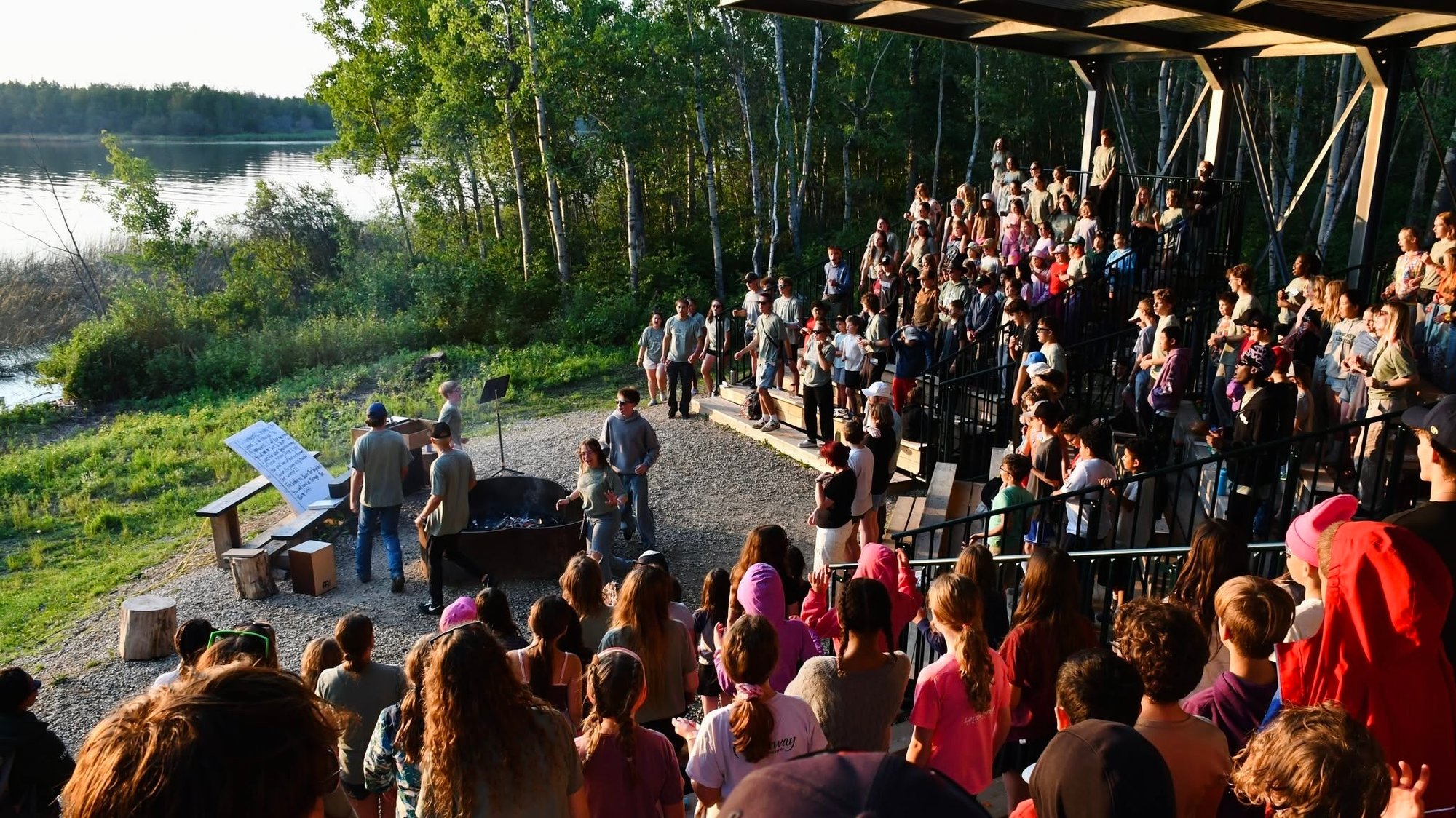
Camp Nakamun exists to help people encounter God, enrich relationships, and experience creation. As an inviting and growing summer camp, retreat ministry, and facility, Camp Nakamun partners with communities and churches to reach children, youth, and adults with the message of Jesus Christ.
Camp Nakamun is a non-profit charitable organization owned by the Western Canadian District of the Christian and Missionary Alliance and operates in keeping with the statement of faith, principles, and directives of the Christian and Missionary Alliance of Canada.
What Camp Nakamun does
- Summer camps: Seven weeks each July and August for children, youth, and families, including main-site camps for Grades 1–12, plus paintball and outdoor camps for Grades 7 and up.
- Developing leaders: More than 55 paid staff and about 150 volunteers each summer, with strong mentoring and leadership development through staff roles and the Junior Volunteer Program.
- Hosting group retreats: A year-round rental facility and conference centre that serves churches, schools, teams, and other groups with welcoming meeting and retreat spaces.
What FORGE is
FORGE is an eight-month discipleship certificate offered in partnership with Ambrose University and Camp Nakamun. It is built as a gap year experience that helps you build a solid faith foundation while studying God’s word at an academic level and learning what it means to serve God in an active ministry setting.
At Camp Nakamun, growth happens through community, service, and stepping beyond what feels comfortable. FORGE follows those same principles so you can learn more deeply who God created you to be and how to walk faithfully in that calling.
FORGE key focuses
- Spiritual formation
- Service opportunities
- Character and leadership development
- Adventure experiences
Who FORGE is for
The ideal FORGE student is ready to grow and willing to try hard things. University study, service, shared community life, and adventure experiences are shaped by the belief that people are often formed through challenge.
That is why the program is called FORGE. God often shapes something new in you through steady work, humility, and a willingness to step into growth. You do not need to be the strongest hiker, climber, or student. You need a teachable spirit and a willingness to grow.
How the program is shaped
Transferable credit
During FORGE, students complete six accredited university-level courses. The credit total and transfer details still need to be finalized, but each course has been chosen to help students grow as followers of Christ and learn how to live out their faith in practical ways wherever God calls them to live, learn, work, and serve.
Service opportunities
Camp Nakamun’s discipleship model begins with service. Before students are asked to lead, they learn to serve with humility. That conviction has already shaped the camp’s Junior Program, where students learn through practical work such as serving meals, washing dishes, and helping care for the facilities.
FORGE students will serve the community in similar practical ways. Students should expect to serve at camp one day each week, with those hours scheduled either in one block or spread across the week.
Character development
Students will work through assessments and coaching, including Grip-Birkman personality and spiritual gifts tools, to understand more clearly how God has wired them for ministry. FORGE also uses a cohort model of 10 to 16 students living on site in shared accommodations, creating close community where students can grow through honest relationships, shared service, and daily life together.
Outdoor adventure experiences
Adventure is built into the shape of FORGE. Over the eight months, students can expect outdoor experiences that average about one day each week. Some weeks include several days away, while others may include a shorter on-site team-building experience. A packing list will be shared before the program begins so students can prepare well.